Dunellen Top General Contractor for Reliable Construction Services
Dunellen Top General Contractor for Reliable Construction Services
Blog Article
What's Included in Renovation Services? A Comprehensive Resource to Your Renovation Needs
Remodeling offerings encompass various vital components intended to enable successful renovations. These comprise consultation services, material selection, and overseeing projects. Each stage plays an important role in creating a unified result. Understanding these elements can greatly impact the efficiency and quality of the renovation. Yet, many property owners overlook key aspects that can influence their total satisfaction. What should one focus on when beginning such a undertaking?
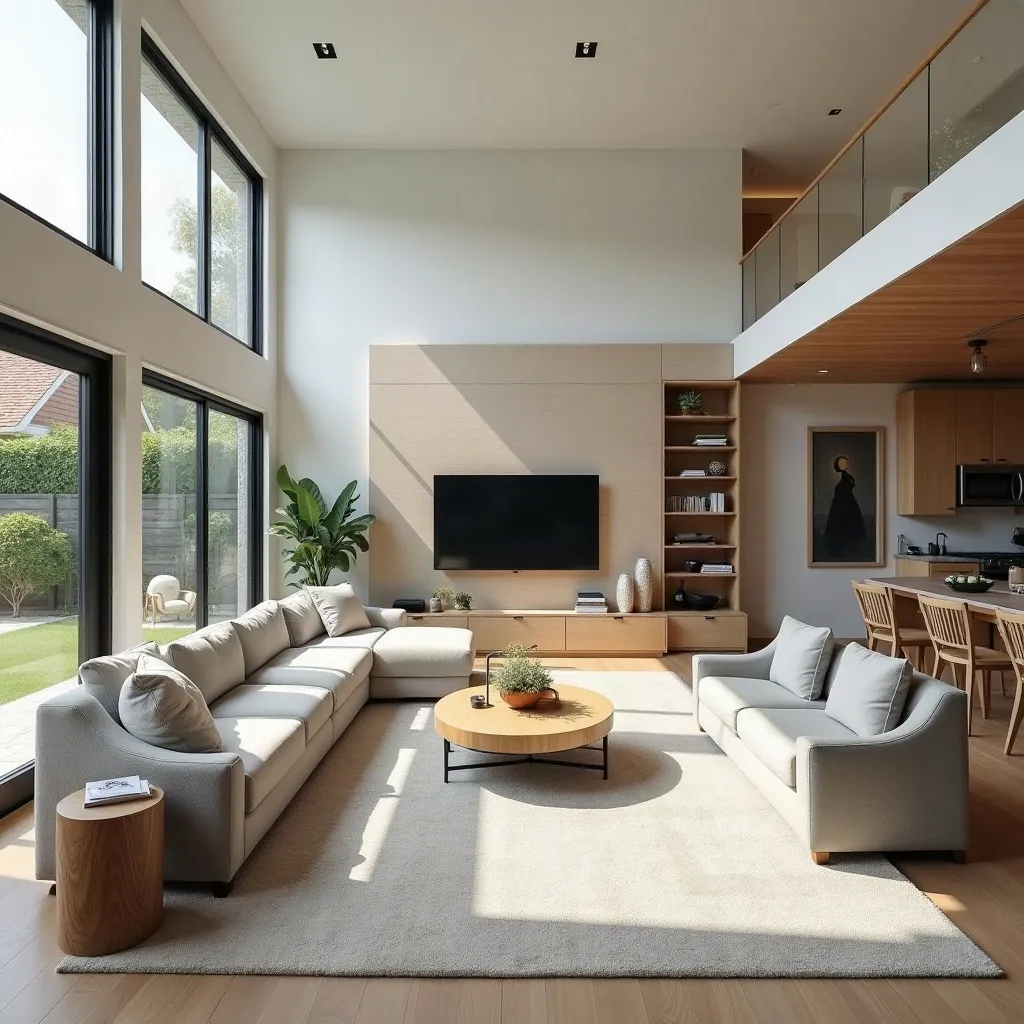
What Make Up the Critical Features of Redesigning Packages?
When considering remodeling options, understanding the key elements is crucial for a fruitful project. Vital elements typically encompass planning, financial management, contractor selection, and project management. The planning phase comprises developing the fresh arrangement and visual design, guaranteeing it matches the homeowner's perspective. Budgeting is important, as it covers all expenses, from materials to labor, and avoids overspending.
Picking a well-regarded contractor is another critical component, as their professional ability directly influences the quality and efficiency of the remodel. Homeowners should weigh background, past client recommendations, and previous work.
In conclusion, effective project management ensures that deadlines are honored and that correspondence between all stakeholders remains lucid throughout the process. By understanding these components, homeowners can navigate the intricacies of remodeling services, resulting in a successful remodel that satisfies their needs and expectations.
Finding the Optimal Design Professional Meeting: Vital Aspects to Think About
Selecting the appropriate design consultation is crucial for a successful remodeling project. Elements such as the consultant's background and knowledge, along with alignment in aesthetic preferences, play a significant role in guaranteeing that the final outcome corresponds with the homeowner's goals. Thorough evaluation of these aspects can lead to a more rewarding and efficient remodeling experience.
Knowledge and Expertise
Selecting the ideal design consultation can positively affect the success of a remodeling project. Experience and expertise are necessary factors to take into account when picking a consultant. A professional with a strong portfolio shows a history of successful projects, revealing their ability to handle challenges effectively. Additionally, knowledge of local building codes and design trends can improve the project’s outcome. It is also important to evaluate their approach to problem-solving and communication style, as a interactive relationship promotes creativity and innovation. Also, seeking testimonials or reviews from previous clients can provide insight into their working methods and trustworthiness. Ultimately, focusing on experience and expertise guarantees a smoother remodeling process and a more fulfilling final result.
Design Style Coordination
The achievement of a remodeling project depends not only on knowledge but also on the match of design styles between the homeowner and the consultant. Choosing a design consultant requires considering individual tastes in conjunction with the consultant's portfolio. Homeowners should determine whether their vision aligns with the consultant's strengths, whether those are current, traditional, or eclectic styles. Open communication is necessary; discussing inspirations and expectations assists in bridging any gaps. Furthermore, looking over past projects can demonstrate the consultant's capacity to adjust to various styles. Compatibility extends beyond aesthetics; understanding how well the consultant listens and incorporates feedback is crucial. In the end, a harmonious partnership founded on shared design values can significantly improve the remodeling experience and result in a pleasing outcome.
Selecting Remodeling Materials: What You Need to Know
When selecting remodeling materials, property owners must consider durability, aesthetic appeal, and budget constraints. The right materials can enhance the longevity of a project while also matching the overall design. Understanding available options ensures a balance between quality and affordability.
Product Durability Assessment
Durability is an important consideration when choosing remodeling materials, as it directly impacts the longevity and upkeep of a space. It is necessary to select materials that can endure wear and tear for any renovation project. For example, flooring choices such as ceramic tiles and hardwood offer varying durability levels; tiles resist moisture and scratches, while hardwood can boost aesthetics but often requires more maintenance. In addition, countertops crafted from quartz or granite provide both strength and defense against stains. It’s important as well to take into account the local climate, since some materials fare better in certain conditions. Investing in top-quality, durable materials not only improves functionality but also reduces the need for frequent repairs or replacements, ultimately saving both time and money.
Design Charm Factors
While functionality is essential, the aesthetic appeal of renovation materials significantly affects the overall ambiance of a space. Choosing the right materials requires considering color schemes, surface qualities, and designs that complement the aesthetic direction. Organic materials, such as wood and stone, typically create warmth and sophistication, while modern metals and glass can produce a contemporary feel. Additionally, the finish of surfaces—matte, glossy, or textured—can substantially impact the perception of light and space. The balance between materials is vital; mismatched elements can disrupt a unified look. In the end, choosing visually appealing materials not only improves visual interest but also adds to a sense of comfort and wellness within the renovated environment.
Budget-Conscious Choices Offered
Although remodeling can appear challenging due to costs, several affordable solutions exist that allow property owners to accomplish their intended aesthetic without breaking the bank. Opting for inexpensive alternatives such as laminate surfaces or vinyl floors can considerably lower expenses while still providing a polished appearance. Recycling existing components, such as storage units or fittings, via restoration or repainting can also create substantial cost savings. Homeowners may consider sourcing materials at nearby salvage yards or discount retailers, where quality products can routinely be found at reduced values. Choosing spacious layouts or simple designs can further cut expenses by minimizing the need for extensive remodeling. Ultimately, careful planning and creative thinking enable homeowners to successfully upgrade affordably.
Comprehending the construction methodology Key Steps and project timelines
Handling the construction process requires a thorough knowledge of its main steps and deadlines. At the beginning, project planning requires defining the scope and budget, followed by appointing a capable contractor. Once the team is ready, the design phase commences, during which plans and specifications get finalized.
Following this, the removal phase may start, opening up space for new construction. This is followed up with the build phase, where structural modifications happen, including framing, electrical systems, and plumbing. Each of these steps has specific timelines, often shaped by the level of project complexity and the availability of materials.
Finally, the finishing touches include paint work, floor installation, and fixture placement. A thorough understanding of these steps, along with their respective timelines, helps homeowners manage expectations and maintain clear dialogue with contractors, ensuring a more seamless renovation process.
Thinking about arranging for permits and requirements?
Throughout the construction process develops, understanding the necessary permits and rules becomes vital for property owners. Collaborating with local authorities early in the renovation experience can clarify which approvals are needed for individual renovations. Building codes, zoning laws, and protective standards vary by location, making it critical to research these factors before commencing work.
Homeowners should also consider the kind of renovation project—whether it's a kitchen renovation or an extension—since various undertakings may require different permits. Hiring a reputable contractor with expertise navigating these requirements can expedite proceedings and reduce potential delays.
Also, property owners should be equipped for inspections at various stages to ensure adherence with regional regulations. By concentrating on licensing preparation, property owners can sidestep expensive penalties and secure a hassle-free remodeling process. Ultimately, meticulous preparation in this domain establishes the foundation for a effective remodeling project.
Finishing Accents That Uplift Your Area
Enhancing a room complete information often centers on the intentional addition of finishing touches that display personal style and utility. These components can convert a standard renovation into a balanced space. Features like tailored cabinets, sophisticated light fixtures, and special accessories can contribute warmth and personality, while also boosting ease of use.
Adding textiles such as area rugs, curtains, and throw pillows introduces warmth and comfort, establishing an inviting atmosphere. In addition, wall art, mirrors, and decorative accents serve not only as aesthetic elements but also as focal points that draw the eye.
Plants and foliage contribute a touch of the natural world, improving both indoor air purity and visual appeal. Selecting a cohesive color scheme guarantees that all elements function in harmony flawlessly, reinforcing the general design concept. Ultimately, these finishing touches are essential in creating a room that resonates with its inhabitants, reflecting their tastes and enhancing their everyday life.
Defining Your Construction Budget: Proven Practices
What strategies can property owners use to effectively set a renovation budget that fulfills their needs? First, they should determine their overall spending limits by reviewing savings, potential loans, and expected return on investment. Next, formulating a detailed list of planned upgrades can help prioritize projects and distribute resources accordingly. Homeowners should also research average costs for materials and labor in their area, permitting for accurate budget estimates.
Additionally, it is advisable to set aside 10-20% of the budget for unexpected expenses, which often emerge during renovations. Consulting with experts can provide insights into cost-effective solutions and potential pitfalls. In the end, maintaining flexibility in the budget can accommodate changes that may boost the overall project. By observing these best practices, homeowners can establish a well-organized budget that corresponds to their renovation goals while lessening financial stress.
Commonly Asked Questions
How Long Should You Expect for a Standard Remodeling Project to Finish?
A typical renovation undertaking may require between a few weeks and several months, based on the intricacy, size, and extent of work required, as well as the accessibility of supplies and workers.
Can I remain in My Home During the home improvement project?
Yes, residents can often remain in their homes during remodeling, depending on the project's scope. However, restricted access, noise, and dust to certain areas may create discomfort, necessitating adaptability and flexibility during the renovation process.
Understanding Common Hidden Cost Challenges in Remodeling
Common hidden costs in home remodeling often consist of unexpected structural repairs, permit fees, design changes, and upgrades to electrical or plumbing systems. Homeowners frequently miss these expenses, which can greatly impact the overall renovation budget.
How Do I Choose a Dependable Contractor?
To find a solid contractor, one should examine reviews, validate credentials, and request multiple quotes. Additionally, assessing previous work and fostering open dialogue can help recognize a contractor's trustworthiness and appropriateness for the project.
What Steps Ought to I Follow if I'M Displeased With the Results?
If frustration occurs following a renovation, one should initially raise issues plainly with the service provider. Log complications, find answers jointly, and if not resolved, weigh mediation or reaching out to local consumer protection agencies for additional direction.
Report this page